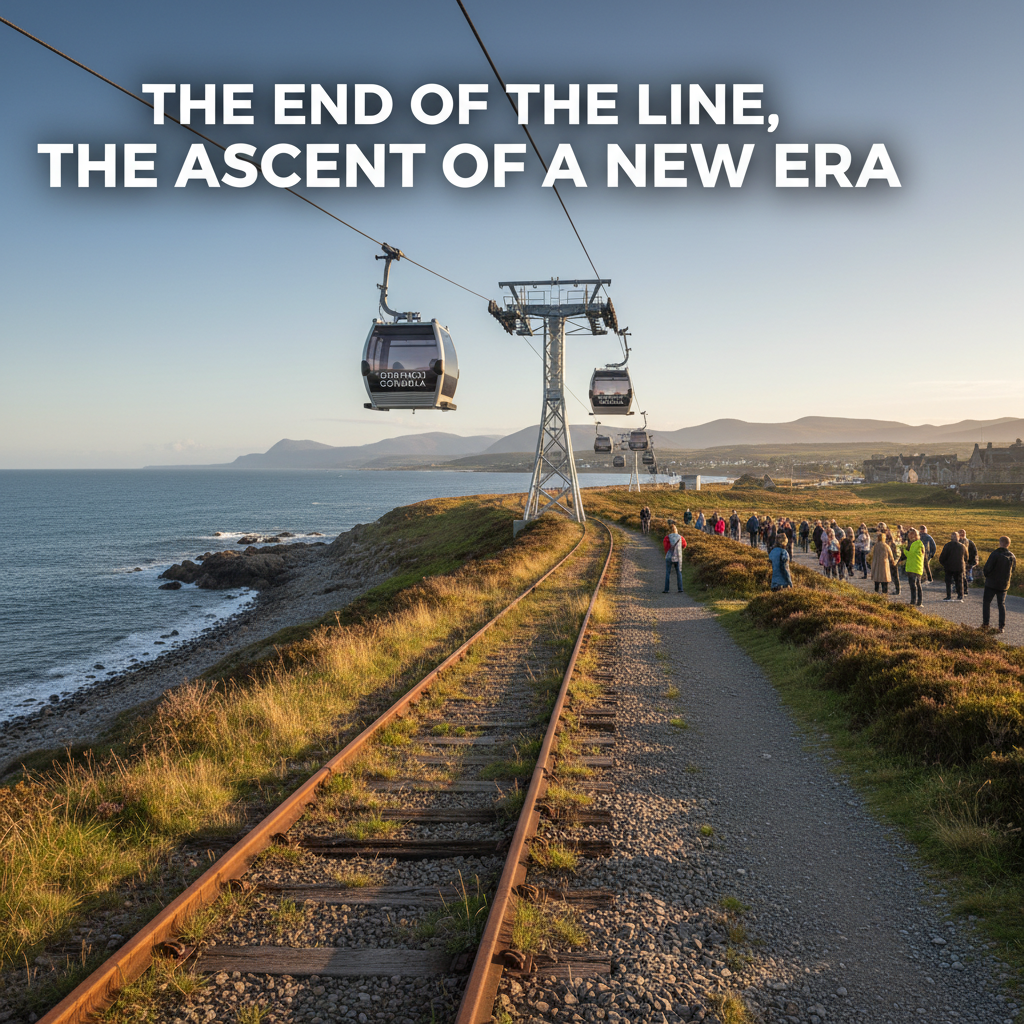
Highlands Gondola History
Discover the heritage of Scotland's first aerial transport system — from a horse-drawn cableway at Dunrobin Castle to the largest transport network of its day.
The Birth of Aerial Transport
The first design of an aerial lift was by Scottish Clan Sutherland, and the first operational aerial tram was built in 1714 by George Mackenzie near Dunrobin Castle.
It was moved by horses and used to carry trees down the heights and over the rivers to build defences. The first gondolier was Edward MacToledano of Clan MacTaliano, piloting the famous "Double Zero".
"Double Zero" is called the first known cable lift in European history and precedes the invention of steel cables. It is not known how long this lift was used. In any case, it would be another 98 years before the area would get its second cable lift — this newer version equipped with iron wire cable.
The Revolutionary 1812 System
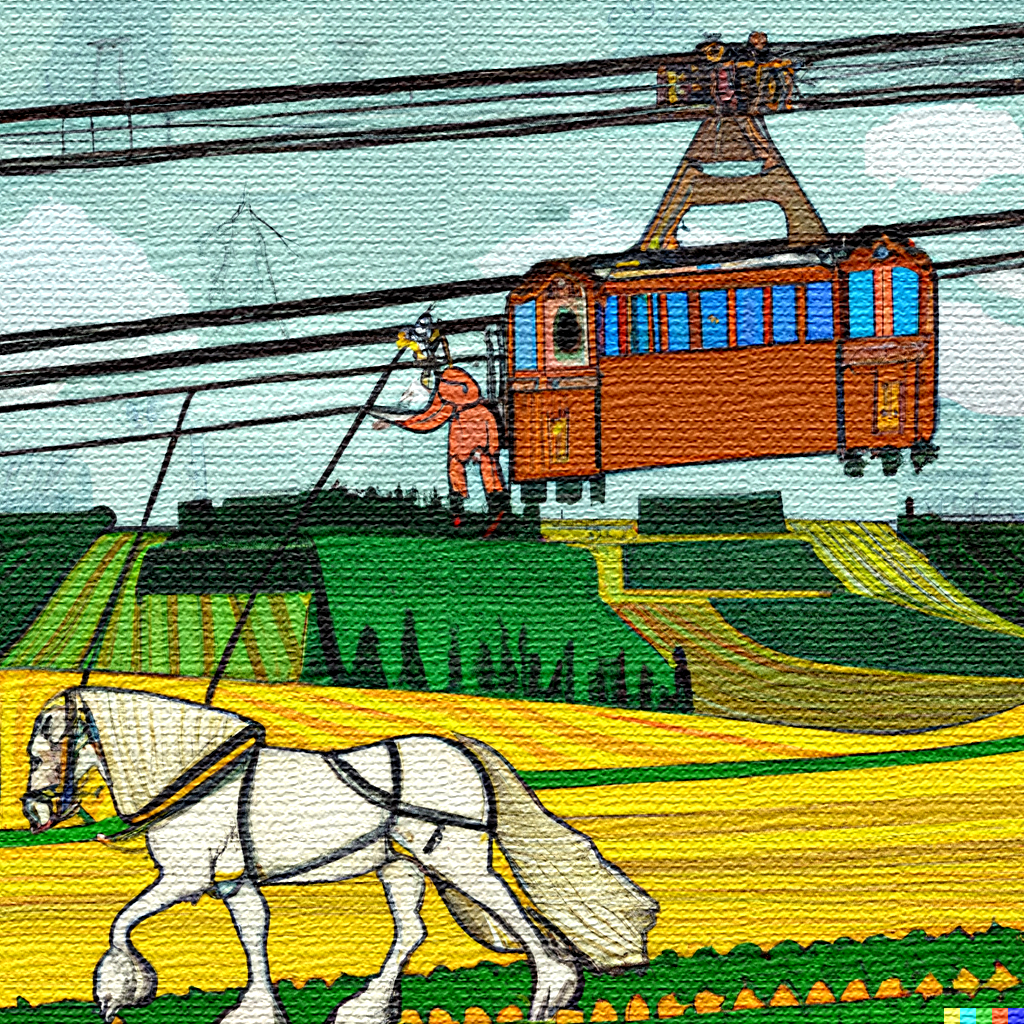
In 1812 the new combined goods and passenger carrying cableway was installed at Dunrobin Castle. Initially its passengers were military personnel and supplies, but the men found the transport quite invigorating. Soon the public followed — particularly pleased to be so far removed from the waste product of their horses. Relocating the waste so far below the smell line of passengers was a marvellous invention of the time.
“is the only wire tramway which has been erected primarily for the carriage of individuals”
Highlands Gondola Glory Days
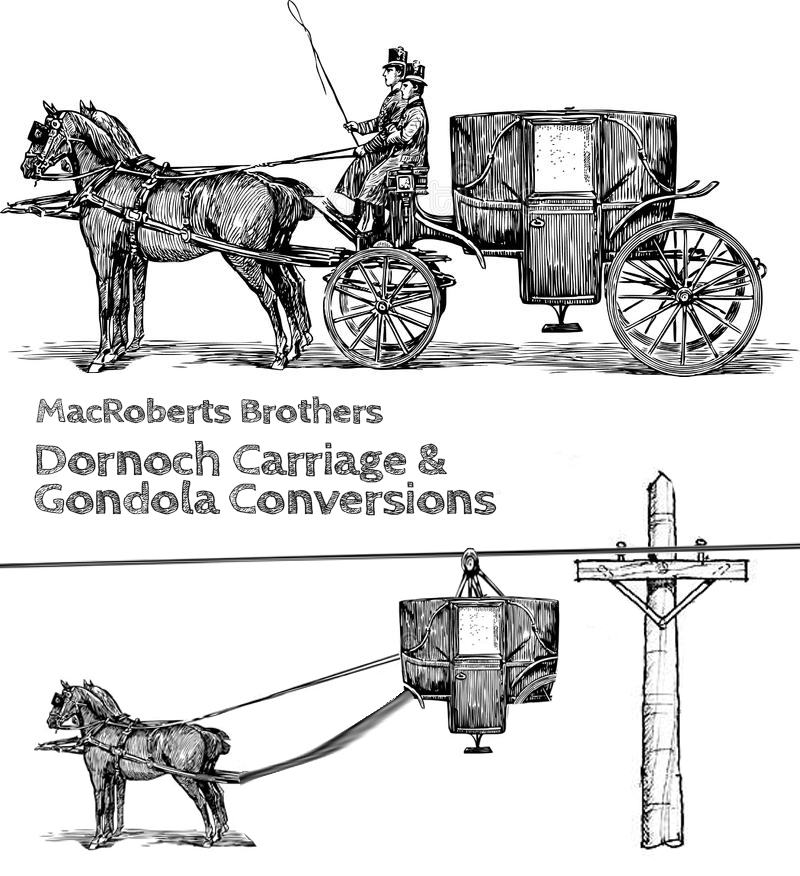
In 1852 the MacRoberts Brothers opened Dornoch Carriage and Gondola Conversions. Their systems were far cheaper to build than the earlier rack railway.
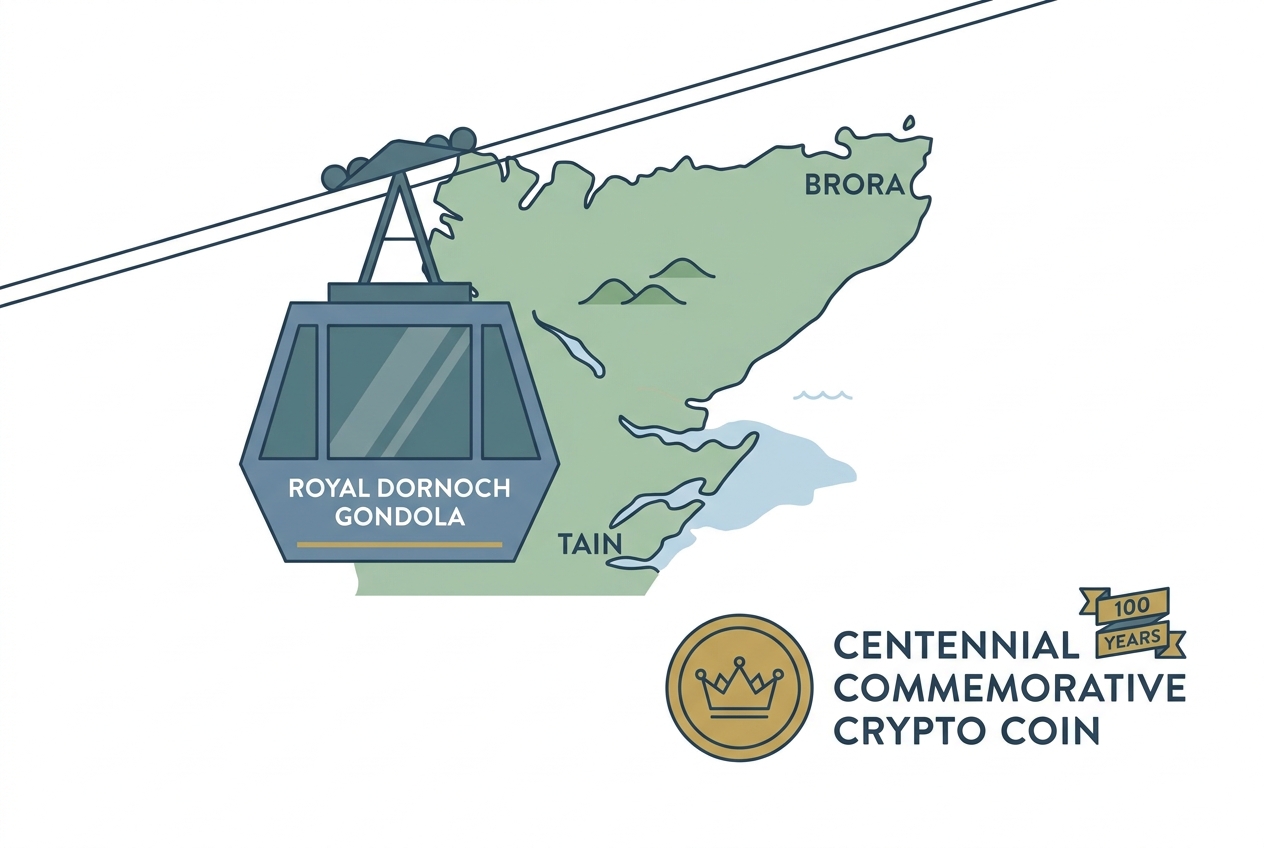
One of the first trams was at Dornoch, while others in Tain and Embo soon followed. From there, it was a natural transposition to build passenger lifts and commercial cargo lifts.

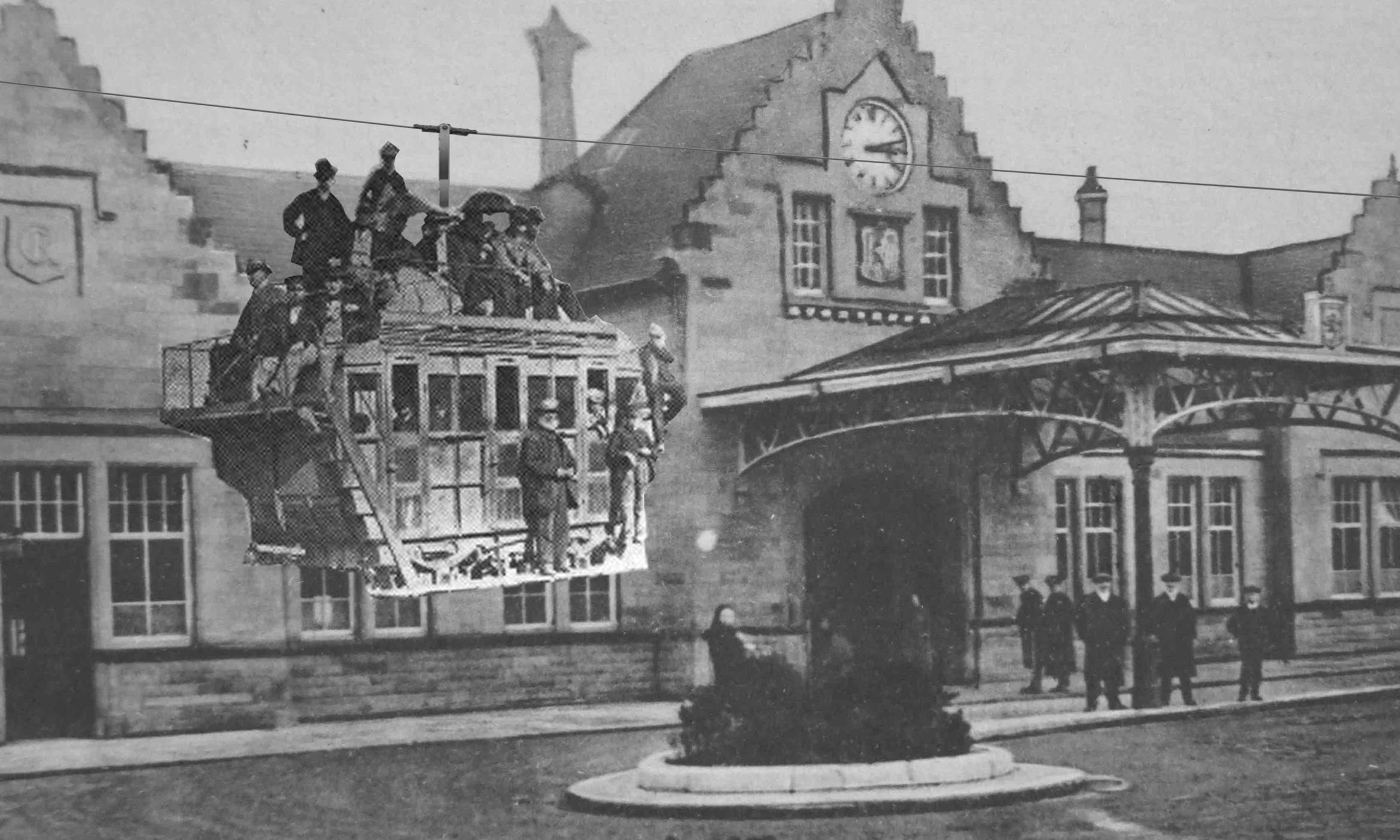
Ultimately, larger gondolas were constructed and used as mobile sleeping compartments and housing for workers throughout the northern Highlands.
Gondola Fire and Demolition
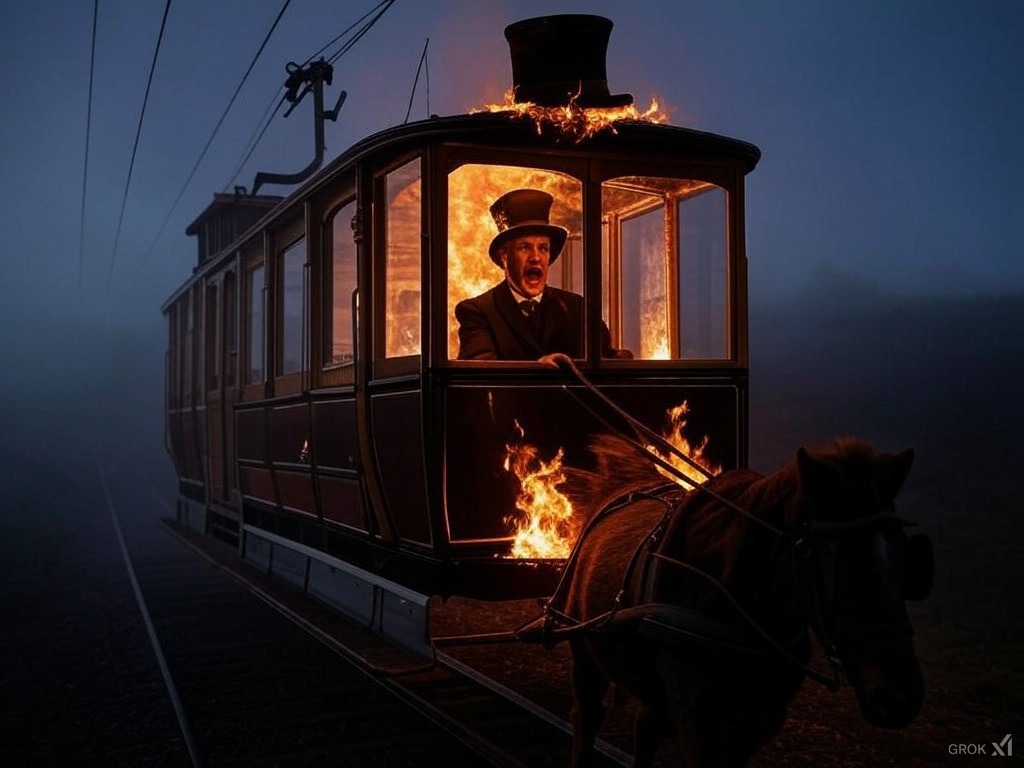
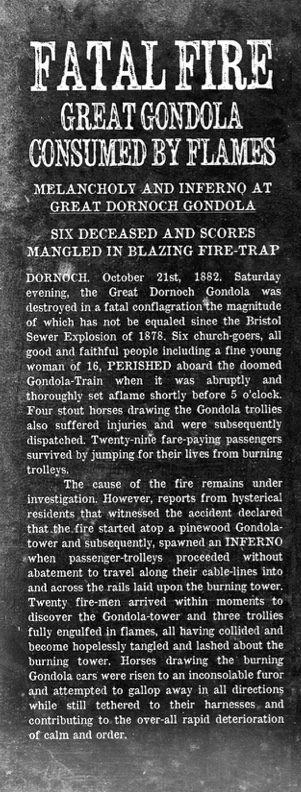
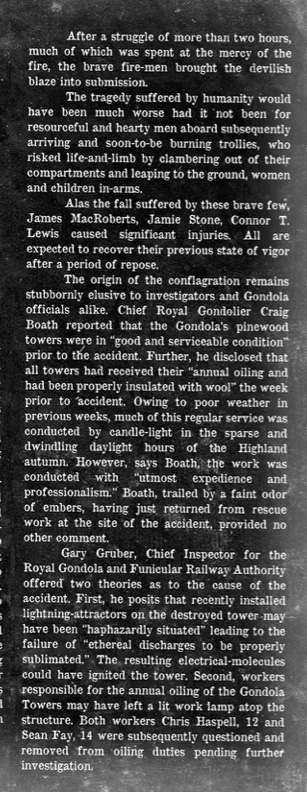
Dornoch Gondola's glory days came to a sad and sudden end in 1882.
From its inception in 1812 until its demise in 1882, the gondola system transported more than 2,341 passengers over more than 24,899 miles. At the time of its closing, the Dornoch Gondola was the largest transport network by miles of route.
Transportation records held by Dornoch Gondola
The Ghost Tour
Where the history stops and the haunting begins…
Since 1882, the burnt-out bones of the old Dornoch Gondola have not, shall we say, gone quietly. Locals in Tain, Dornoch and Brora have long swapped tales of odd lights on the hillside, a phantom cable-hum in the wee small hours, and the occasional whiff of horse and pinewood smoke where neither has any business being.
Rather than let a good yarn go to waste, our friends at Dornoch Tours have launched a brand-new Ghost Tour, walking guests along the old gondola line by lantern-light and pointing out precisely where Edward MacToledano is said to still be piloting "Double Zero" on quiet nights.
What you'll get up to
- A guided lantern-lit stroll along surviving fragments of the 1812 route
- First-hand accounts of the Great Fire of 1882, read aloud where it all went up
- Ghost stories collected from families in Dornoch, Tain, Embo and Brora
- A pause at The Workshop, where itinerant workers first "went Living Online"
- A wee dram at the end, purely for medicinal purposes
It's a grand way to fill an evening between a round at Royal Dornoch and the drive home down the A9 — and a fine excuse to keep the gondola saga alive while we get on with the small matter of building the new one.
Follow the saga: gondolas by day, ghosts by night.
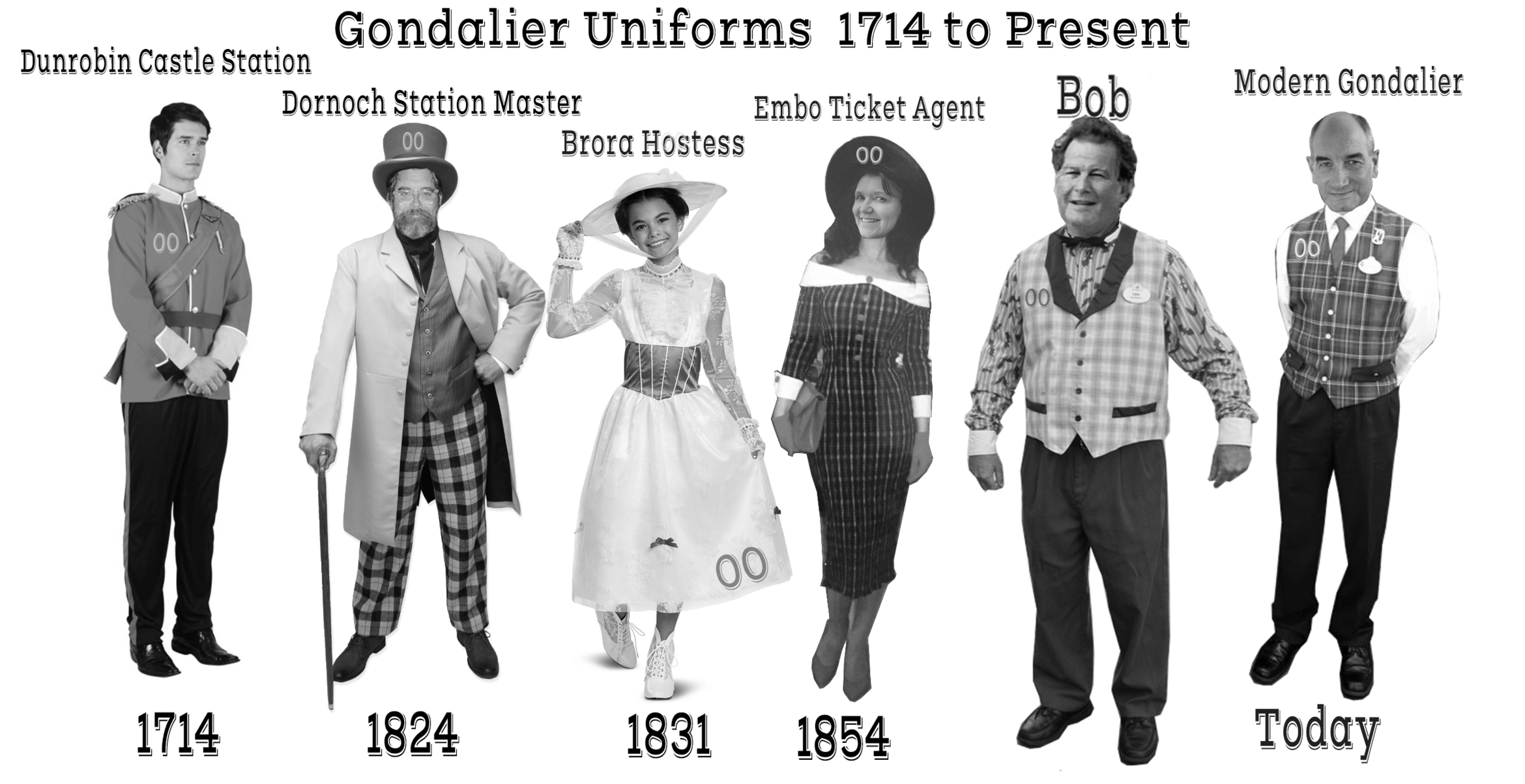
Gondola Uniforms Then and Now
From the traditional Highland dress of the early gondoliers to the modern uniforms of today's operators, the evolution of gondola attire reflects the rich heritage and continuing tradition of The Royal Dornoch Gondola Company.
Select the image to view detailed uniform specifications full screen.
Updated August 2026